Loading...
Serving Greenville, TX and surrounding areas. (903) 303-6194
Cracked, rough, and faded asphalt does not always need to be torn out. A fresh overlay restores your driveway or lot at a fraction of full replacement cost.
Cracked, rough, and faded asphalt does not always need to be torn out. A fresh overlay restores your driveway or lot at a fraction of full replacement cost.
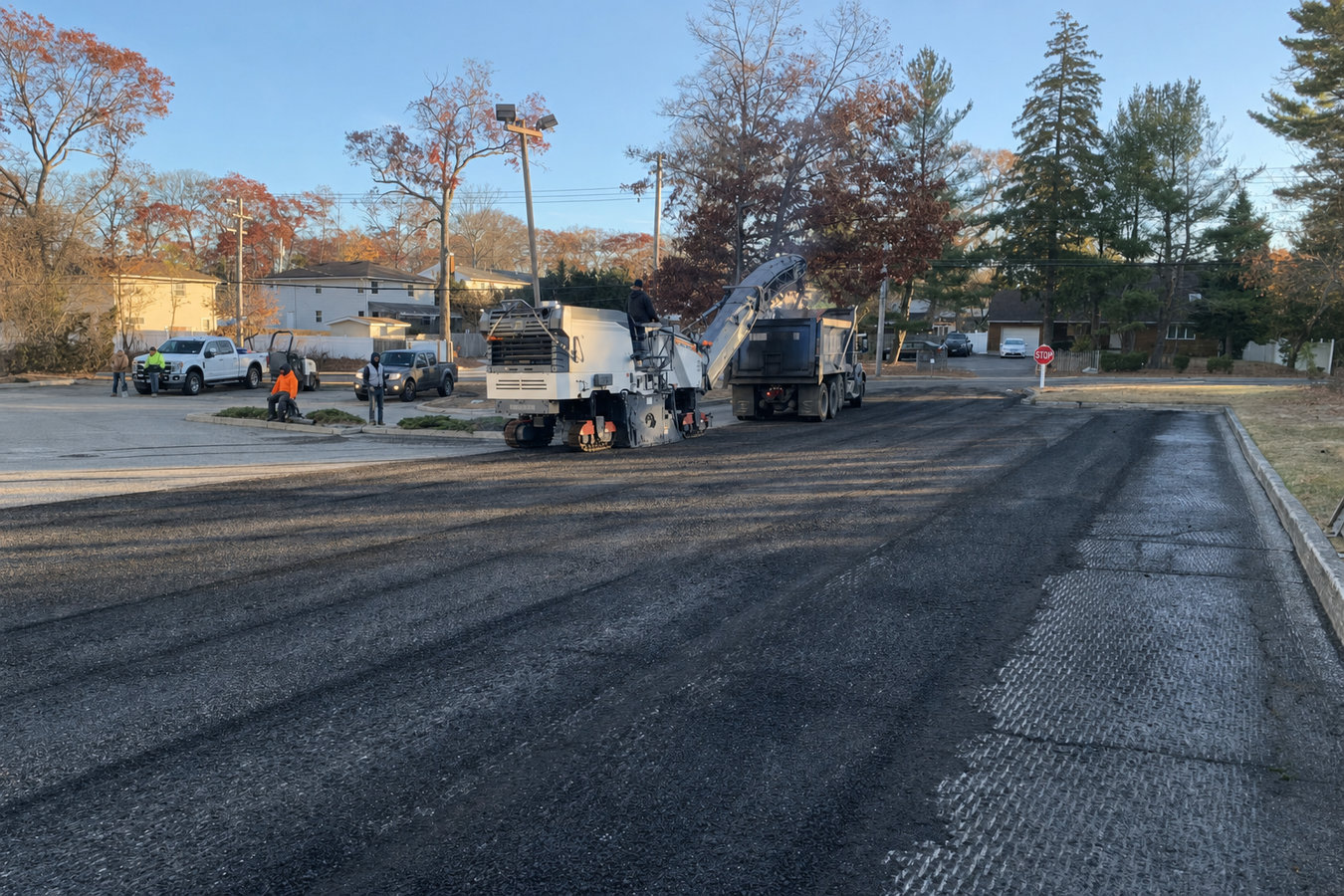
Asphalt resurfacing in Greenville means laying a fresh layer of hot-mix asphalt over your existing driveway or parking area rather than tearing everything out. The old surface stays in place as a base, the crew fills cracks and levels low spots, and then the new layer is laid and compacted on top. Most residential driveways are finished in a single day.
Resurfacing works well when the base underneath is still solid and the damage is mostly at the surface - cracks, worn texture, fading, or minor low spots. If the base has shifted, crumbled, or developed deep structural problems, a full tear-out is the better long-term investment. When surface-level cracking is caught early enough, our pothole repair service can address isolated damage before it spreads far enough to warrant a full overlay.
A quality resurfacing job starts with thorough prep. Shortcuts on crack repair or compaction show up within a season or two as new cracking and uneven spots. We assess the full surface before quoting so you know exactly what is included and why.
You can see a network of cracks across the surface, but when you walk it, it feels firm and does not flex or sink. That combination - surface damage with a sound base - is the classic sign that resurfacing can fix the problem without the cost of a full tear-out.
Asphalt oxidizes over time, losing its dark color and smooth texture. A surface that looks weathered and feels rough underfoot has lost the protective oils that keep it flexible. It will continue to deteriorate faster if left untreated, especially under Greenville's intense summer sun.
Puddles sitting on your driveway after Greenville's spring or fall rains mean the surface has developed low spots or the original slope has shifted. Standing water is one of the fastest ways to shorten an asphalt surface's life - resurfacing with proper grading corrects the drainage at the same time.
Bowl-shaped depressions and shallow potholes that have not yet reached the base layer signal that the surface layer has broken down. Catching them at this stage - before they grow or allow water to reach the base - is exactly when resurfacing delivers the best value.
We resurface residential driveways and commercial parking areas across Greenville and the surrounding region. Every job starts with a surface assessment - we check the base, evaluate drainage, and identify any areas that need repair before the overlay goes down. A proper resurfacing layer is typically around 1.5 to 2 inches of compacted asphalt. We tell you the planned thickness before work begins, and you can ask us to confirm it. For surfaces where the base has already failed in sections, our asphalt milling service can remove damaged material cleanly before the new layer is applied.
After resurfacing, we recommend waiting several months before applying a sealcoat - sealing too soon traps gases in the fresh asphalt. Once the curing period passes, our pothole repair crew handles any isolated damage that appears before the seal goes down. A fresh surface paired with a regular maintenance schedule keeps your driveway or lot performing well through Greenville's heat, rainfall, and clay soil cycles.
Best for homeowners whose driveway surface has cracked or worn but whose base is still solid - restores appearance and function in a single day.
Suits property owners and managers who need a uniform, safe surface without the disruption and cost of tearing out and rebuilding an entire lot.
Right for surfaces where low spots and improper slope are causing pooling - the overlay is graded to direct water off the surface properly.
Ideal when isolated base failures need to be corrected before the new surface layer goes down - base work first, then a clean continuous overlay on top.
Greenville sits in northeast Texas, where summer temperatures regularly exceed 95 degrees. Extreme heat keeps freshly laid asphalt soft longer than it would in a cooler climate, which means the job needs to be planned carefully - work scheduled in the cooler morning hours and the surface given adequate time to firm up before traffic returns. The best resurfacing windows here are spring and fall, but experienced local crews know how to manage summer jobs successfully. Homeowners in Sachse and Wylie face the same climate and soil conditions, and we bring the same approach to every job across the region.
The soils across Hunt County are heavily clay-based. Clay swells when wet and shrinks when dry, and that repeated movement is one of the main reasons driveways and parking areas crack and shift in this area. Resurfacing puts a fresh layer on top, but it cannot fix a base that has already moved significantly. Our crews assess base conditions during every estimate visit and are direct with you about whether resurfacing alone is the right solution or whether base repairs need to happen first. Getting that honest assessment up front protects your investment over the long term.
A contractor walks the surface with you, checks for base problems, evaluates drainage, and measures the extent of cracking. This is where we tell you honestly whether resurfacing is the right solution or whether the base needs attention first. We reply with a written estimate within one business day.
Once you approve the scope and price, we schedule around the forecast. Before the crew arrives, clear the surface of vehicles and anything sitting on the driveway. We may ask you to identify irrigation lines or utilities near the edges so nothing is disturbed during paving.
The crew cleans the surface, fills cracks and significant low spots, then lays the new asphalt layer using a paving machine. A roller compacts the fresh material to the proper density. On a standard residential driveway, paving day is typically done before end of day.
We give you a specific time to bring vehicles back based on the date and forecast. In Greenville's summer heat, the surface may stay soft longer - plan for at least 24 to 48 hours. Avoid turning your steering wheel sharply on a fresh surface for the first week or two to prevent scuffing.
We will walk your surface, give you an honest assessment of what it needs, and put a clear written quote together - no obligation, no pressure.
(903) 303-6194We check the base before quoting. If the base has already failed, we tell you - because an overlay on a failed base will crack again within a season or two. That kind of honesty may mean a larger scope upfront, but it means the job holds and you are not calling us back the following year for the same problem.
A resurfacing layer that is too thin will not hold up to Greenville traffic and heat. We lay the correct compacted thickness for your surface type and tell you the planned depth before work begins. You can confirm it - and you should. The National Asphalt Pavement Association publishes the industry standards we follow on every job.
Northeast Texas clay soils shift with every wet and dry season. We grade every resurfacing job so water drains off the surface correctly - because standing water on a newly resurfaced driveway will undo the work quickly. Local soil conditions are part of how we plan every job, not an afterthought.
Every resurfacing quote spells out the prep work included, the planned layer thickness, and what is covered in the price. No vague lump sums and no scope that expands once the crew arrives. Texas contractor licensing requirements are verified through the Texas Department of Licensing and Regulation.
Greenville homeowners and property managers keep calling us back because the resurfacing holds. Honest base assessments, correct thickness, proper drainage grading, and clear written scopes - that combination produces results that last through northeast Texas summers, clay soil movement, and heavy spring rains.
Isolated potholes and depressions patched and compacted before they grow large enough to require a full overlay.
Learn MoreFailed surface material removed cleanly down to the base so a new overlay bonds to a sound, even foundation.
Learn MoreOur crew is booking jobs now - lock in your spot before the summer heat arrives and the schedule fills up.